


Weathering Hurricane Season
It is hurricane season in the Atlantic and boy are things active! As we write this, the Eastern U.S. coastline from North Carolina all the way up to New England is preparing for Hurricane Earl—currently a category 3 hurricane—and right on its heels, Fiona and Gaston are stirring in the tropics.
As anyone who lives on the coast can tell you, hurricanes are intense. Just how intense is measured by the Saffir-Simpson Hurricane Wind Scale which classifies hurricanes into 5 general categories—with category 1 (often written as H1) being least intense and category 5, most—based on the observed or estimated maximum wind speed.
To give you a sense, on the “low end” of the scale, category 1 hurricanes have sustained winds of 74–95 mph and are capable of producing significant damage to windows, roof shingles, gutters, siding and porch coverings and can uproot shallow trees. On the other end of the scale, Category 5 storms have sustained winds of over 155 mph and can only be described as “catastrophic” with high rates of injury and death and widespread destruction to homes, buildings and societal infrastructures. For a complete overview of the Saffir-Simpson Hurricane Wind Scale, visit the National Hurricane Center website at http://www.nhc.noaa.gov/pdf/sshws.pdf.
As coastal dwellers, we at Blu are keenly aware of the wrath that hurricanes bring and the worry and stress they cause homeowners eager to protect their families and their property.
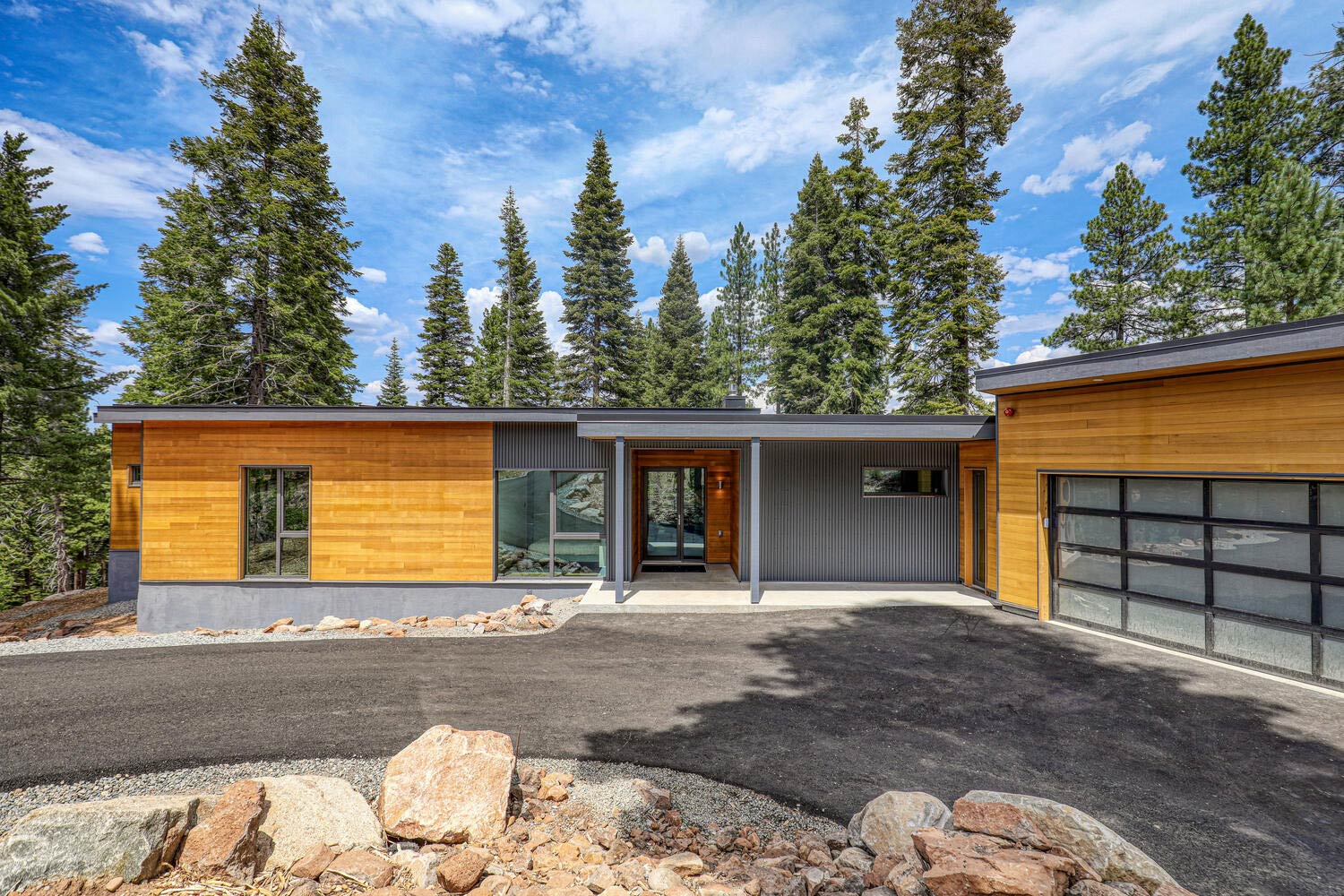
Blu home products are designed and engineered with extreme weather conditions in mind.
Built with specialized, unique structural steel framing, our standard Blu and mkDesigns homes are engineered to withstand wind loads of up to 120 mph—this is the mid-range of a category 3 hurricane—and can be custom engineered to withstand wind loads of up to 180 mph! In addition, our homes can be outfitted with high performance hurricane resistant windows, if the homeowner chooses this option.
When you build with Blu, we look at each individual site to determine what its loading needs are based on its location and ground topography, regardless of what the published wind loads state. In this way, you could say that our homes are “over-engineered.” But given the fluctuating rhythms of the earth and changes in weather patterns, our strong frames provide homeowners with the reassurance of knowing that their investment will be protected, no matter which way the wind blows.
And on that note, if any of you are storm chasers like us, check out the Stormpulse website—http://www.stormpulse.com—to see what’s brewing in the Pacific and Atlantic. It seems like it’s going to be a busy season!
Comments
No comments have been posted yet.


